A misfire can be obvious or barely noticeable, which is what makes it so frustrating. Sometimes it feels like the car stumbles once and then drives fine. Other times it shakes enough that you back off the throttle immediately. The good news is that misfires usually leave a pattern, and that pattern helps narrow the cause quickly.
If you can describe what it feels like, you are already halfway to the answer.
What A Misfire Feels Like In Real Driving
Most drivers describe a misfire as a brief shake, a hesitation, or a loss of power that comes and goes. Under light throttle it can feel like a small hiccup. Under heavy throttle, it can feel like the engine cuts out for a moment, then catches again.
You might also notice the engine note change, like it sounds uneven or rough. At idle, a misfire often feels like a rhythmic shudder, especially when you are stopped. If it is more severe, the car can feel rough enough that the steering wheel and seat vibrate.
When Misfires Show Up Matters
Misfires that happen only at idle often point toward airflow issues, vacuum leaks, or ignition components that are weak at low speed. Misfires under acceleration often point toward ignition load issues, like plugs or coils that cannot keep up when cylinder pressure rises. Misfires when the engine is cold can be different again, since fuel mixture and warm-up strategy change the demand on spark and airflow.
If it happens only after a long drive, heat can be part of the story. Coils and electrical components can act up when hot. Fuel pressure can also behave differently when the vehicle is heat-soaked. Noting whether it is cold, hot, or both helps a lot.
The Most Common Causes: Spark, Fuel, And Air
A misfire is usually one cylinder not burning its mix cleanly. That can happen because the spark is weak, fuel is not delivered evenly, or air and mixture control are off. The common causes are often simple, but the fix should still be based on testing.
Spark plugs wear gradually, and once the gap opens up, the spark can fail under load. Ignition coils can also weaken and misfire intermittently before they fail outright. Fuel injectors can clog partially and deliver uneven fuel, causing a cylinder to run lean and stumble. Vacuum leaks can lean out the mixture at idle and cause a random misfire.
What The Check Engine Light Is Telling You
A steady check engine light often means the computer has detected a misfire pattern or a related fault and stored a code. The car may still drive, but it is asking for attention. A flashing check engine light is more serious because it usually means an active misfire that can overheat the catalytic converter.
If the light is flashing, reduce speed, avoid hard acceleration, and limit driving until it is checked. Continuing to drive hard with a strong misfire can turn a repairable ignition issue into a much more expensive emissions repair. If the light is steady, you may be able to drive gently, but do not put it off for weeks.
How Misfires Can Damage Other Components
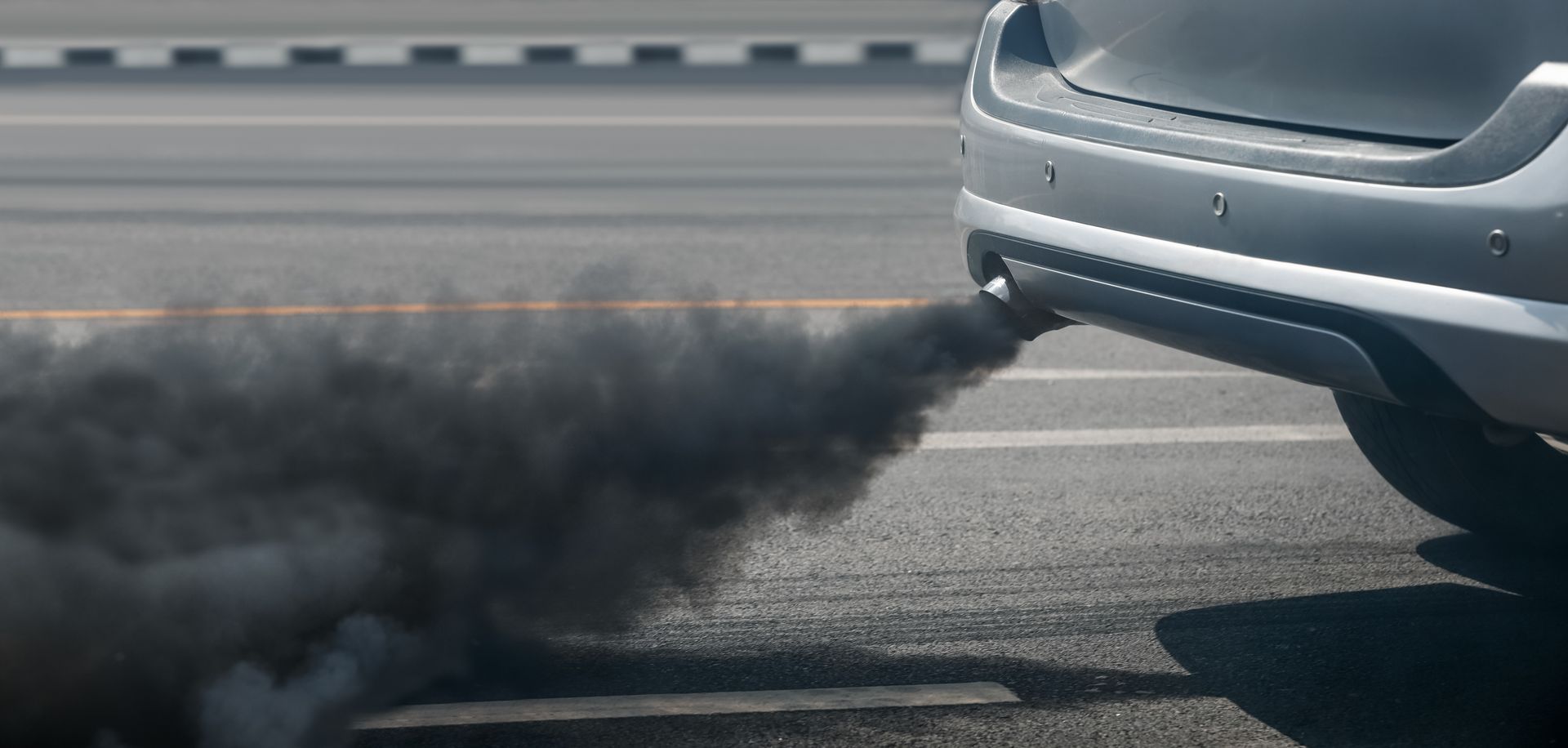
The reason misfires matter is not just the rough feel. Unburned fuel can reach the catalytic converter and raise its temperature. Over time, that can shorten converter life. Misfires can also cause fuel economy to drop and can make the engine run hotter than it should.
A misfire can also create a chain reaction. If plugs are worn and a coil is working harder to jump the gap, the coil can fail sooner. If a vacuum leak is making the engine run lean, it can stress combustion temperatures. Fixing the root cause early keeps the repair simpler.
What You Can Note Before You Bring It In
You do not need to do complicated testing at home. The best help you can provide is a clear description of when it happens and what you feel. If it is intermittent, trying to force it can make the pattern harder to read, so it is better to capture what happens naturally.
Useful notes include:
- Does it happen at idle, during acceleration, or both?
- Does it happen cold, hot, or after a short stop?
- Do you feel it as a shake, a stumble, or a power drop?
- Is the check engine light steady or flashing?
If you notice fuel smell, coolant loss, or a new ticking noise, mention that too. Those details can point toward a specific direction quickly.
How We Diagnose It The Right Way
We start by scanning for codes and checking misfire counters to see which cylinder is acting up and under what conditions. Then we verify basics such as plug condition, coil performance, and intake-leak signs. If fuel delivery is suspected, we check fuel trim behavior and injector performance clues.
We also check for mechanical issues when the pattern suggests it, like compression differences or timing-related problems. Once the cause is confirmed, the fix is usually straightforward. Regular maintenance helps prevent repeat misfires by keeping plugs and filters current and catching small air leaks before they grow.
Get Engine Inspection, Maintenance and Repair In Lake Geneva, WI, With Mike's Auto Repair
Mike's Auto Repair in Lake Geneva, WI, can pinpoint what is causing your misfire and explain the repair options clearly, whether it is ignition wear, fuel delivery, or an air leak throwing off the mixture. We will scan the system, verify the problem with targeted checks, and help you avoid repeat misfires that come back a month later.
Schedule a visit and get back to smooth, steady driving.